Skip to content
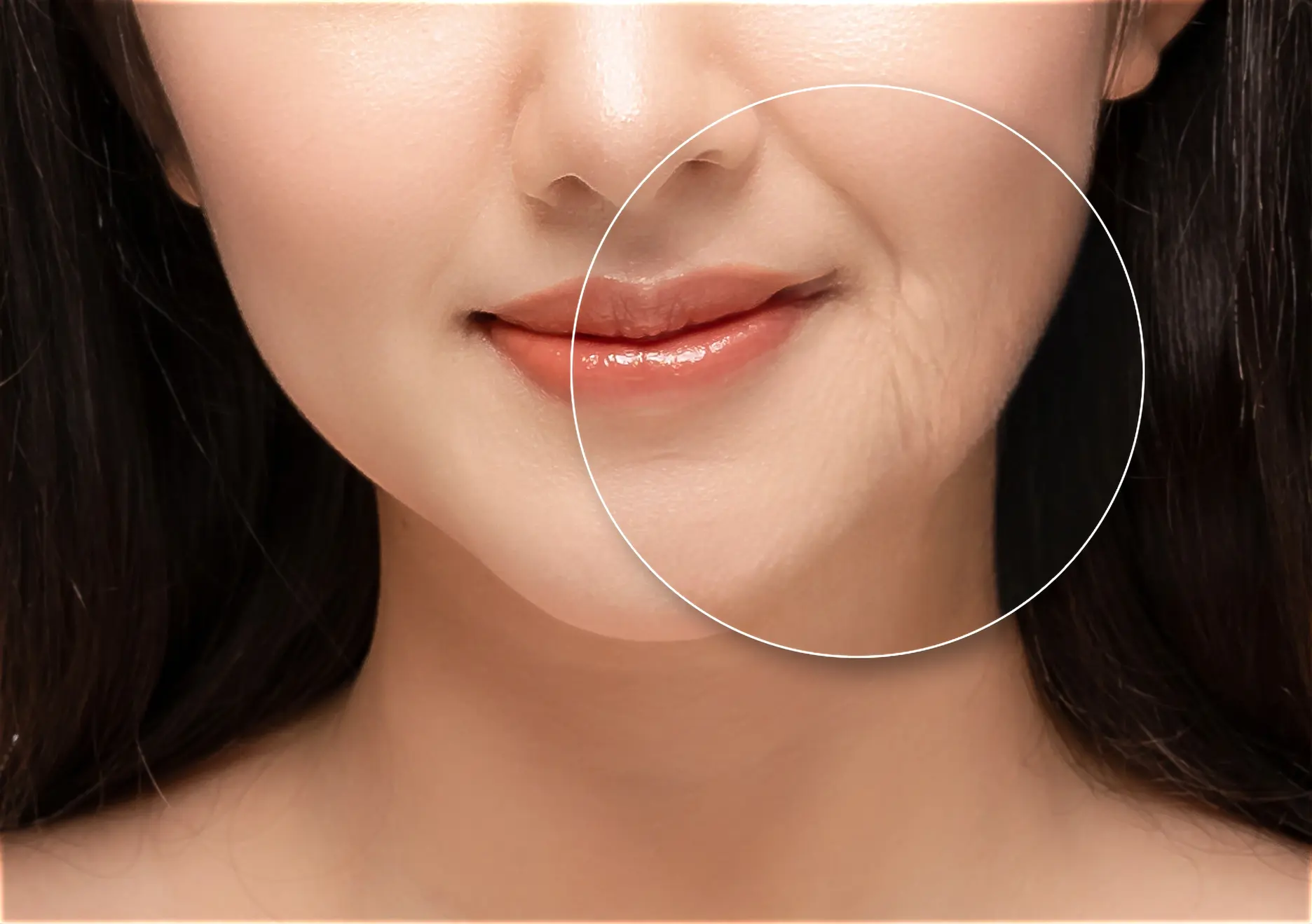
Table of Contents
Skin changes can happen gradually. One day, your complexion looks smooth and firm, and then you start noticing fine lines that linger a little longer, skin that feels thinner, or a lack of the bounce it once had. While aging is part of the process, many of these changes are linked to collagen loss.
Collagen is the protein that helps keep skin firm, resilient, and youthful-looking. As collagen production slows down, visible changes often follow. The good news is that recognizing the signs early can help you take steps to support your skin and explore professional options that encourage new collagen production.
What are the signs your skin is losing collagen, and how can you restore it?
Signs of collagen loss often include reduced skin firmness, fine lines, wrinkles, thinning skin, and a loss of facial volume. While collagen naturally decreases with age, healthy skincare habits and treatments that stimulate collagen production, such as microneedling, can help improve skin texture, firmness, and overall skin quality over time.
What Collagen Loss Usually Looks Like
One of the earliest signs of collagen loss is a subtle change in skin texture and elasticity. Skin may not snap back as quickly after facial expressions, and areas that once appeared smooth can begin showing fine lines even when your face is at rest.
Many people experiencing loss of collagen in the face notice:
- Increased skin laxity around the cheeks and jawline
- Fine lines are becoming more visible
- Thinner or crepey-looking skin
- Less fullness in the skin’s appearance
- A rougher or less even texture
These collagen depletion symptoms can appear gradually, making them easy to overlook until the changes become more noticeable.
Why Your Skin Starts Losing Collagen
Collagen production naturally declines as we age. In fact, the body produces less collagen each year beginning in early adulthood. However, aging is only one piece of the puzzle.
Several factors can accelerate skin’s loss of collagen, including prolonged sun exposure, smoking, environmental pollutants, and lifestyle habits that place additional stress on the skin.
One of the most common sagging skin causes is UV damage. Sun exposure breaks down existing collagen fibers and can interfere with the skin’s ability to create new collagen efficiently. Over time, this contributes to wrinkles, uneven texture, and reduced firmness.
Genetics, diet, hydration levels, and overall skin health also influence how quickly collagen loss becomes visible.
Signs Your Skin May Need More Than A New Skincare Product
Quality skincare products play an important role in maintaining healthy skin. However, there comes a point when creams and serums alone may not be enough to address deeper collagen loss.
You may benefit from a professional evaluation if:
- Fine lines continue becoming more noticeable despite consistent skincare
- Skin feels looser around the lower face or neck
- Enlarged pores and uneven texture become more apparent
- Dullness persists despite using active skincare ingredients
When collagen loss occurs in the deeper layers of the skin, treatments that work beneath the surface, not just on the surface, are usually needed to stimulate new collagen production.
What You Can Do At Home To Support Collagen Health
While collagen decline cannot be completely stopped, certain habits can help support healthier skin and reduce unnecessary collagen breakdown.
Daily sunscreen use is still one of the most effective ways to protect existing collagen. Consistent sun protection helps to reduce UV damage and promotes long-term skin health.
Other helpful habits include staying hydrated, eating a nutrient-rich diet, and using skincare products that promote skin renewal.
If you’re wondering how to restore collagen in skin, lifestyle habits provide an important foundation. However, meaningful improvements in collagen production often require treatments specifically designed to stimulate the skin’s natural repair process.
How Microneedling Helps Stimulate New Collagen
For individuals looking for a professional collagen loss treatment, microneedling is one of the most effective options available at First Body & Wellness Center.
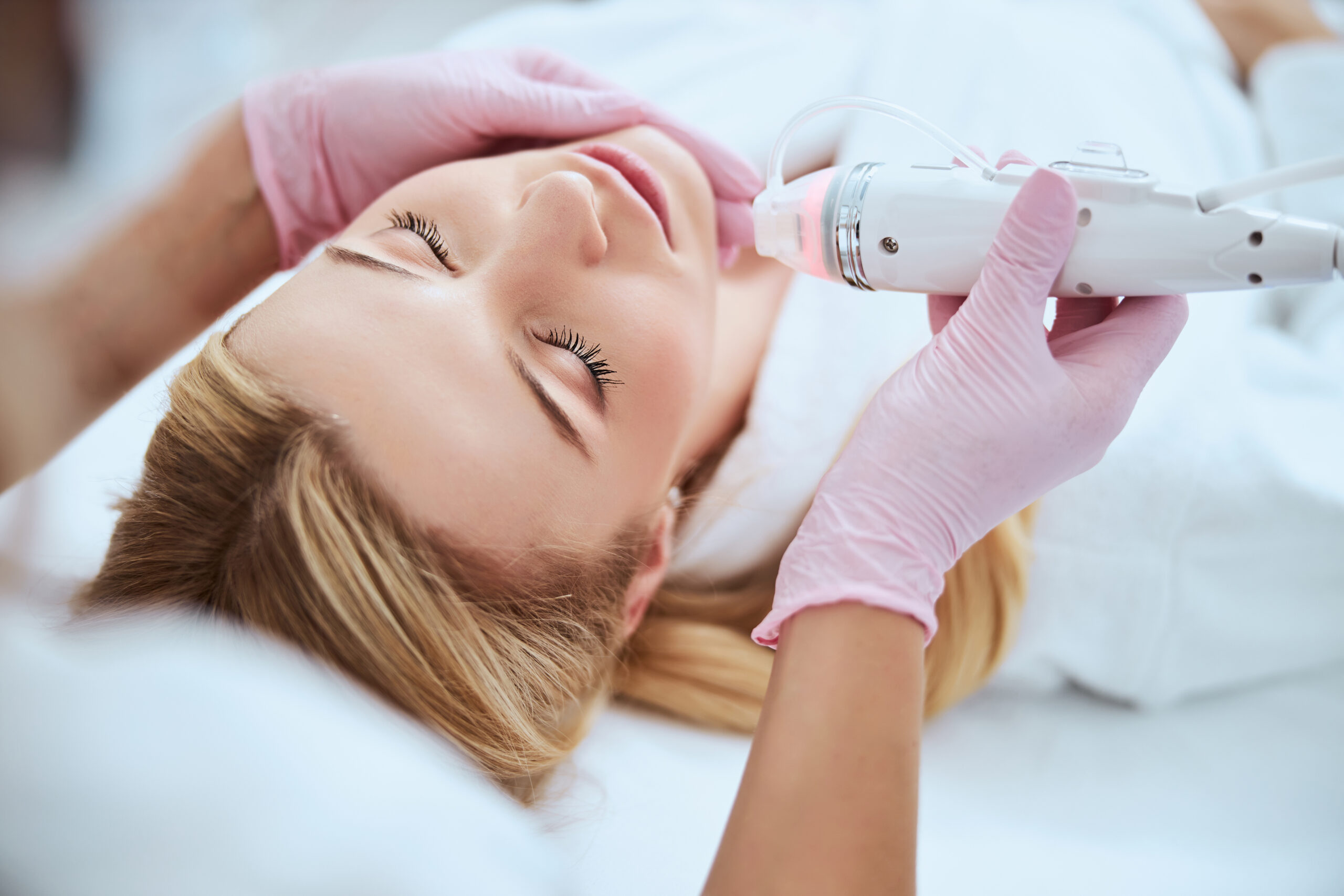
Our microneedling treatment uses tiny, controlled micro-injuries to trigger the skin’s natural healing response. As the skin repairs itself, it produces new collagen and elastin, two essential proteins responsible for firmness, smoothness, and elasticity.
Microneedling may help improve:
- Fine lines and wrinkles
- Uneven skin texture
- Enlarged pores
- Mild skin laxity
- Overall skin tone and quality
Unlike treatments that simply mask signs of aging, microneedling works by encouraging the body’s natural collagen-building process. This makes it a valuable option among collagen-boosting treatments for patients seeking gradual, natural-looking improvements.
How To Maintain Your Results And Protect Your Collagen
Once new collagen production has been stimulated, maintaining healthy habits can help preserve improvements.
Daily sunscreen use remains essential. Consistent skincare, adequate hydration, and avoiding smoking can also support healthier skin over time.
Many patients choose periodic maintenance sessions as part of their long-term skincare routine. When combined with good home care, these treatments can help support ongoing collagen production and promote healthier-looking skin.
For patients seeking Collagen Boosting Treatments in Alpharetta, GA, a customized approach often offers the most effective way to maintain skin quality and firmness.
Common Questions About Collagen Loss And Skin Rejuvenation
Can collagen loss be reversed?
The body cannot completely restore collagen levels to those of youth, but collagen-stimulating treatments can encourage new collagen production and improve visible signs of aging.
At what age does collagen decline become noticeable?
Collagen production begins decreasing in early adulthood, although visible changes often become more apparent during the 30s and 40s.
Is microneedling appropriate for different skin types?
Microneedling is suitable for many skin types and concerns. A consultation helps determine if it is the right option for your specific skin goals.
How do I know if collagen loss is causing my skin concerns?
Changes such as reduced firmness, fine lines, thinning skin, and texture concerns are common indicators. A professional evaluation can help identify the factors contributing to these changes.
Support Healthier, Firmer Skin
Collagen loss is a natural part of aging, but that does not mean you have to ignore the changes it brings. Recognizing the signs early and choosing treatments that encourage new collagen production can help improve skin texture, firmness, and overall appearance. If you’re experiencing collagen loss and want a professional treatment option, microneedling may be worth considering.
Save Your Skin from Losing Collagen!
Contact our team today to schedule a consultation and discuss your skin concerns with one of our experienced providers.